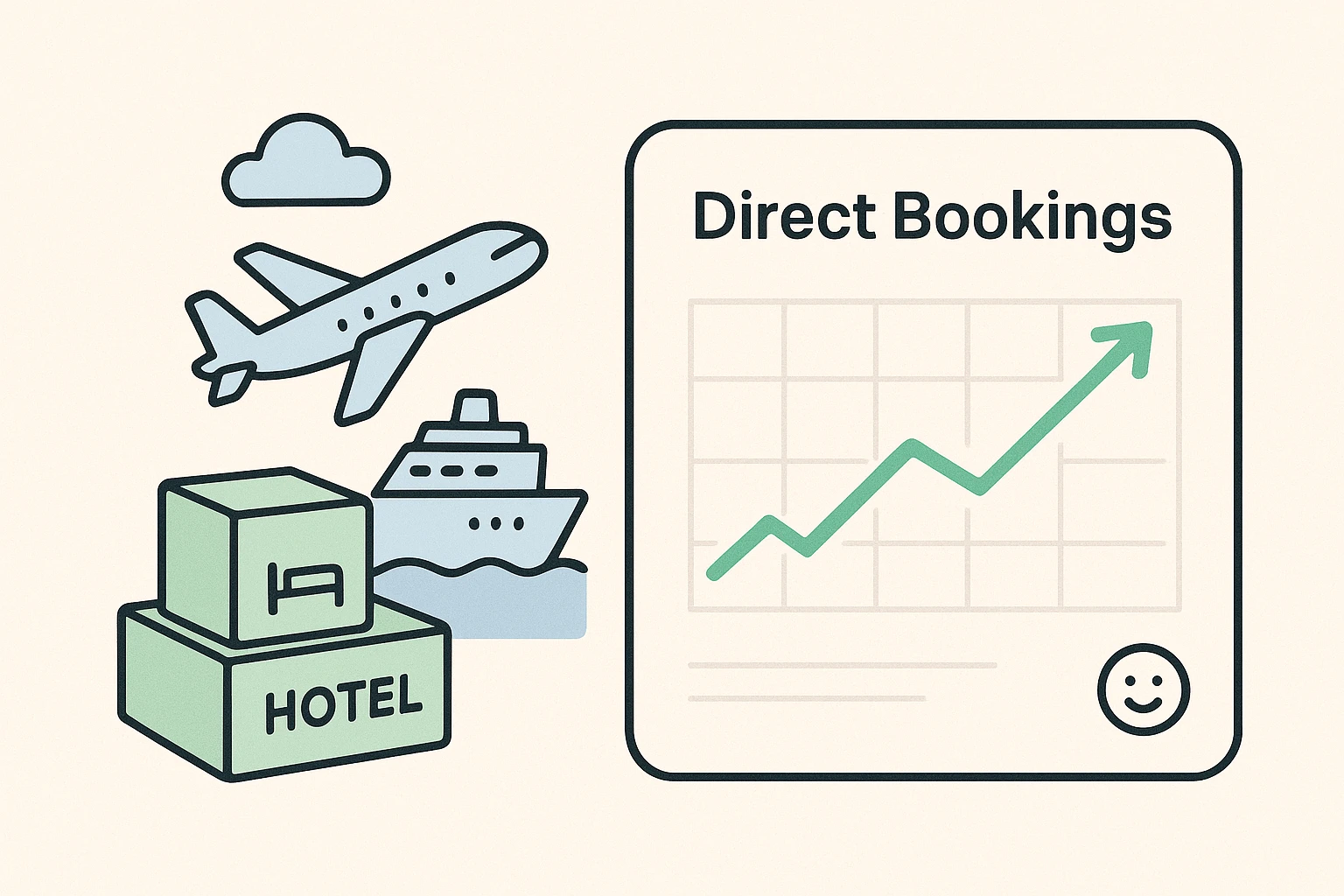
Navigating the complex digital landscape to secure direct bookings presents a significant challenge for travel and hospitality brands. Decision-makers evaluating solutions for growth often find themselves sifting through generic advice, struggling to pinpoint strategies that genuinely differentiate their offerings and capture the discerning mid-funnel traveler. This content addresses that precise challenge, offering a clear, data-driven pathway to elevate your travel and hospitality SEO, moving beyond basic visibility to drive engaged conversions.
Elevating Travel & Hospitality SEO: Beyond Visibility to Direct Bookings
The travel and hospitality sector, encompassing hotels, resorts, airlines, tour operators, and destination marketing organizations, contends with a fiercely competitive online environment. Large Online Travel Agencies (OTAs), like Booking.com and Expedia, traditionally dominate search results, and their high domain authority presents a constant challenge for individual businesses seeking direct bookings. However, a significant opportunity exists to capture mid-funnel travelers—those actively comparing and investigating options—through a strategic approach that prioritizes unique content storytelling, localized strategies, a superior mobile experience, and the strategic leveraging of user-generated content (UGC). Successfully navigating this landscape requires a deep understanding of evolving search intent, a proactive stance on AI-driven advancements, and a commitment to transparency that builds trust with potential guests and travelers.
Understanding the Travel SEO Landscape: Challenges and Opportunities
The digital search experience is the primary gateway for travelers, with 70% beginning their journey with a Google search, according to SEODiscovery. This initial discovery phase is crucial, but the subsequent comparison and decision-making stages are where brands can truly differentiate themselves. Travelers are increasingly sophisticated, seeking authentic experiences, reliable information, and robust validation of their choices.
The Dominance of Google and Emerging AI Influences
Google maintains a commanding influence on global search, controlling between 90-92% of the search engine market and handling 96% of mobile search traffic. This makes optimizing for Google's algorithms paramount. However, the search landscape is rapidly evolving with the emergence of AI-powered search alternatives, such as OpenAI’s SearchGPT, and the growing influence of social media platforms like TikTok, which significantly impact the travel plans of Gen Z travelers. Green Flag Digital notes that the shift toward AI-Engine Optimization (AEO) means content must be structured not only for human readability but also for optimal summarization and extraction by AI language models that now influence search snippets and overviews.
Why Mid-Funnel Content Is Critical for Direct Bookings
Mid-funnel content targets individuals who have moved past initial inspiration and are now actively researching and comparing options. These travelers are asking specific questions like, “Which luxury safari operator offers the best family experience?” or “What are the safety protocols for adventure tourism in Costa Rica?” Addressing these precise queries with detailed, transparent, and authoritative content effectively bypasses generic OTA listings. By providing comprehensive answers, hotels, tour operators, and destination marketing organizations can build direct relationships, foster trust, and significantly increase direct bookings.
Crafting High-Impact Mid-Funnel Content: Strategies and Examples
Effective mid-funnel content provides the granular details and comparative insights that travelers need to make informed decisions. It transitions prospects from broad interest to specific intent, offering a strategic advantage over the generalized information commonly found on OTAs.
Pillar Comparison Guides for Informed Decision-Making
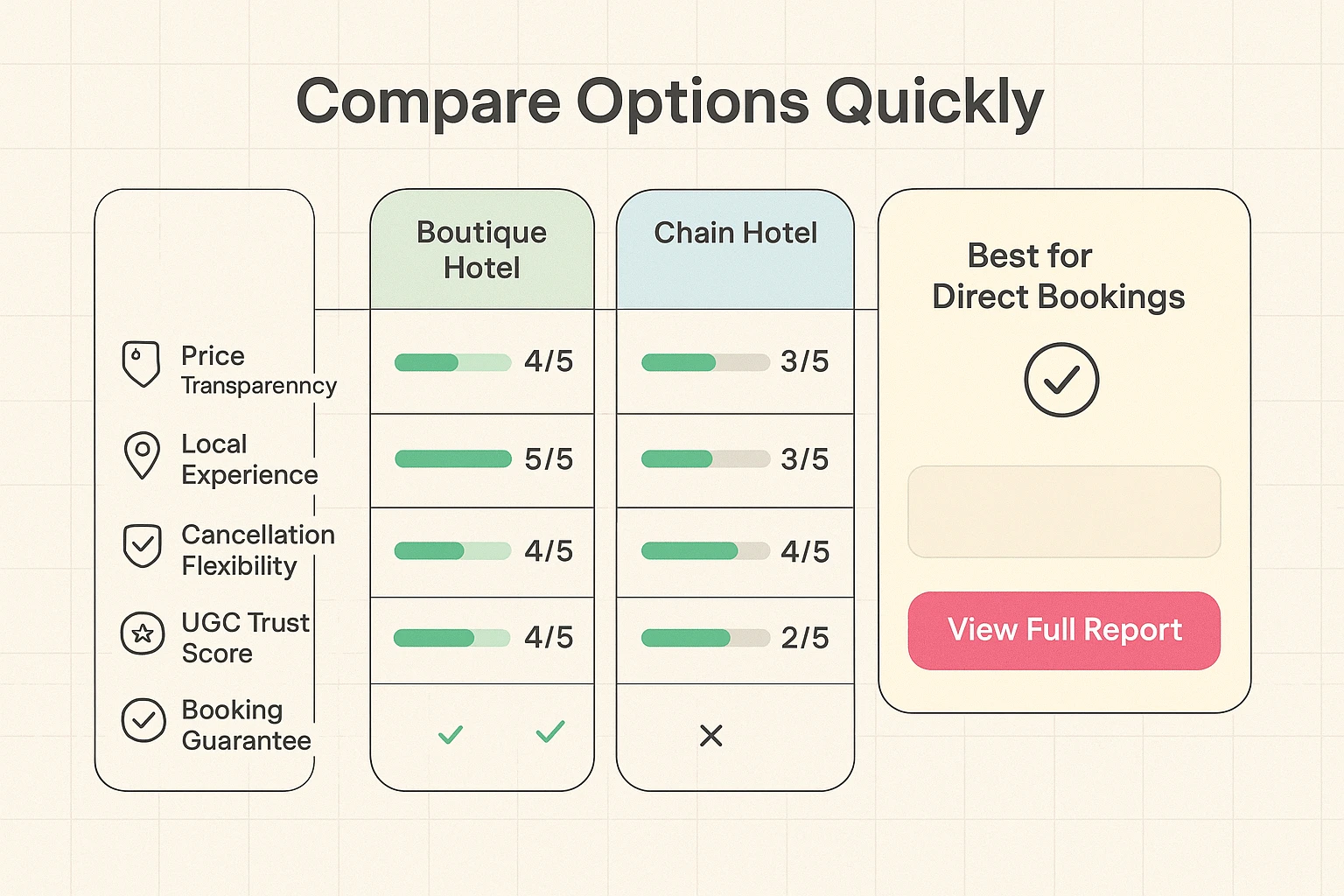
Creating authoritative pillar comparison guides is a cornerstone of mid-funnel content strategy. These guides dissect the nuances between similar offerings, providing objective data and expert analysis. For instance, a guide on "Luxury River Cruises vs. Ocean Cruises: A Detailed Comparison" could outline key differences in itinerary, passenger density, amenities, and overall experience, allowing travelers to directly compare based on their preferences. Similarly, a resource like "Boutique vs. Chain Hotels: Which is Right for Your Next Trip?" can highlight the unique attributes of each, from personalized service to brand consistency, helping travelers align their choice with their desired stay. Such comprehensive articles not only establish your brand as an authority but also directly address common traveller dilemmas, positioning your offerings as tailored solutions.
Interactive Tools: Engaging Travelers in the Decision Process
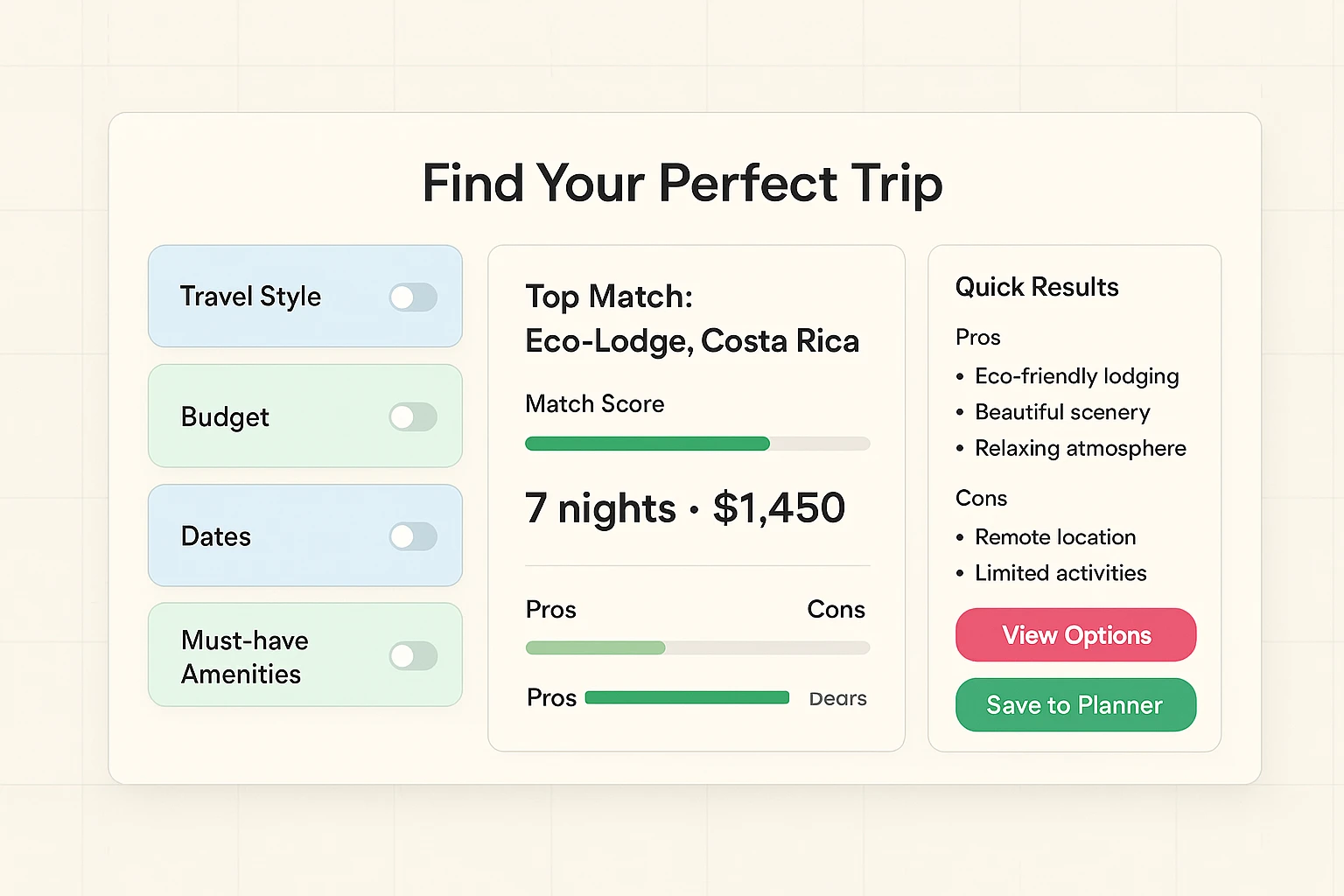
Interactive tools offer engaging avenues for travelers to refine their choices based on personalized criteria. A "Destination Matchmaker Quiz" can guide users through a series of questions about their travel style, budget, and desired activities, ultimately recommending ideal destinations or specific tour packages. Similarly, a "Hotel Feature Comparator" for a particular city allows users to input their preferences—such as proximity to landmarks, amenities like a spa or pet-friendliness, and price range—to receive tailored hotel recommendations. These tools not only reduce decision fatigue but also capture valuable data on user preferences, which can then be used for personalized follow-up and marketing. Integrating interactive elements transforms passive content consumption into an active, decision-support experience.
Leveraging User-Generated Content for Unquestionable Trust
User-generated content (UGC), including reviews, photos, and social media posts from actual travelers, is a powerful trust signal. In fact, 93% of travelers indicate that online reviews influence their booking decisions, with 72% willing to pay more for higher-rated hotels. Beyond displaying star ratings, integrate "Real Traveler Story" deep dives that showcase specific itineraries, testimonials, and high-quality visuals from customers. This narrative-driven social proof builds strong emotional connections and validates choices. Highlight specific positive experiences related to flexible cancellation policies, seamless booking processes, or unique amenities by analyzing sentiment in reviews. Furthermore, brands can implement an active strategy to solicit and display more user-generated content on their landing pages and within relevant articles, creating comprehensive social proof. The combination of authentic experiences and emotional resonance fosters a deeper connection with potential travelers.

Credibility Builders: Showcasing Expertise and Safety
Travelers considering niche experiences, such as adventure tourism, place immense value on safety, expertise, and operational reliability. "Behind the Scenes" content that details safety protocols for adventure tours or explains the rigorous vetting process for luxury travel partners builds significant trust. Articles on "Our Adventure Tour Safety Protocols: What You Need to Know" or interactive infographics outlining staff certifications and equipment maintenance procedures can differentiate your brand. This transparency, backed by industry certifications, expert bios, and clear process explanations, addresses implicit concerns and reinforces your position as a responsible, authoritative provider.
Optimized Service and Destination Landing Pages
The ultimate goal of mid-funnel content is to guide the user toward a conversion. Optimized service and destination landing pages, intricately linked to the content that precedes them, provide a streamlined pathway to booking. For instance, a user who completes a "Destination Matchmaker Quiz" and receives a recommendation for customizable family holidays in Costa Rica should be directed to a dedicated landing page for that specific offering. These pages must feature clear value propositions, simplified booking forms, transparent pricing, and prominent calls to action. By reducing friction and emphasizing trust badges, these pages transform decision-makers into direct bookings more efficiently.
Measuring Success: Key Performance Indicators for Travel SEO
The effectiveness of these mid-funnel SEO strategies must be measured rigorously to ensure a positive Return on Investment (ROI). Key metrics to track include:
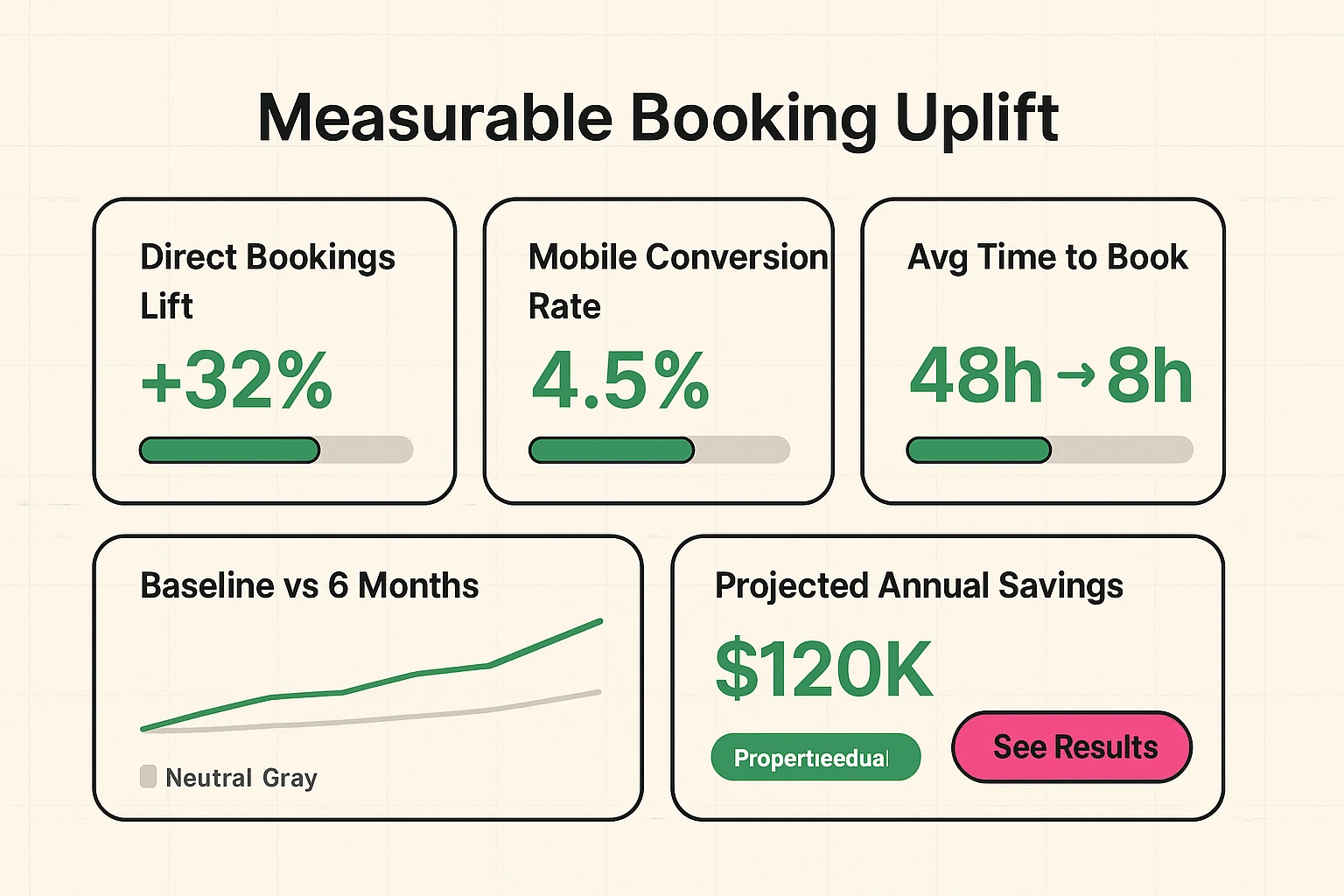
- Direct Booking Lift: This measures the percentage increase in bookings made directly through your website, bypassing OTAs.
- Mobile Conversion Rates: Given that 57% of online travel bookings originate from mobile devices, improvements here are critical.
- Engagement Metrics: Track time on page, scroll depth, and interaction rates with interactive tools and comparison grids.
- Organic Search Visibility: Monitor rankings for specific long-tail, mid-funnel keywords.
- Reduced OTA Dependency: Analyze the shift in booking channels, aiming to decrease reliance on third-party platforms.
A metrics-first approach to evaluating these elements allows for continuous optimization and ensures that SEO efforts directly contribute to business growth and profitability.
Frequently Asked Questions About Travel & Hospitality SEO
Q1: How can I compete with large OTAs in search results?
Successfully competing with large Online Travel Agencies (OTAs) requires a nuanced approach, prioritizing niche specialization, exceptional user experience, and optimized content rather than attempting to outrank them on broad, high-volume keywords. Focus on creating deep, authoritative content for long-tail keywords that address specific traveler intent at the mid-funnel stage, such as "best eco-lodges for families in Costa Rica" or "luxury safari operators with accessible itineraries." travelers already in a destination or planning visits to specific locations.
Q2: What is the most effective way to leverage user-generated content (UGC) for SEO?
The most effective approach to leveraging user-generated content (UGC) involves actively soliciting, curating, and strategically integrating reviews, photos, and testimonials across your digital properties. Since 93% of travelers are influenced by online reviews, integrating UGC directly into product pages, destination guides, and conversion-focused landing pages offers strong social proof.
Q3: How does AI impact travel SEO, and what steps should I take?
AI significantly impacts travel SEO by influencing how content is consumed, summarized, and prioritized in search results, particularly with the rise of AI Overviews and conversational AI. To adapt, optimize your content for both traditional keyword relevance and AI's summarization capabilities. This means structuring content with clear headings, using concise language, and directly answering common questions your target audience might ask. Implementing advanced schema markup is crucial, as AI models use structured data to understand content context and entities. You can find more insights on AI's role in SEO automation within our AI SEO Automation Guide.
Q4: Is mobile optimization still a primary concern for travel and hospitality SEO?
Yes, mobile optimization remains a paramount concern for travel and hospitality SEO, with 57% of online travel bookings originating from mobile devices and nearly 70% of travelers using mobile devices during their trips. A seamless mobile experience directly correlates with higher engagement, lower bounce rates, and improved conversion rates.
Q5: How can I reduce my reliance on Online Travel Agencies (OTAs) for bookings?
Reducing reliance on OTAs for bookings involves a multifaceted strategy focused on creating a superior direct booking experience and strong brand differentiation. Invest in comprehensive mid-funnel content that directly answers comparison questions and highlights your unique value propositions, incentivizing travelers to book directly. This includes offering exclusive deals, loyalty programs, or added benefits (e.g., free upgrades, complimentary breakfast) only available through direct bookings.
Transform Your Travel & Hospitality SEO Strategy
The journey from initial interest to confirmed booking is fraught with comparison and evaluation. By implementing a sophisticated mid-funnel SEO strategy that prioritizes engaging content, interactive tools, and transparent social proof, travel and hospitality businesses can capture discerning travelers and drive direct bookings.
Our approach centers on creating a content ecosystem designed not just for human appeal but for optimal performance in the AI-driven search environment. We specialize in building authoritative comparison content, developing interactive decision-making tools, and integrating authentic user experiences that directly address traveler needs at the critical evaluation stage. This comprehensive strategy ensures that your brand stands out, cultivates trust, and converts consideration into loyal customers.
Ready to transform your travel and hospitality SEO into a powerful direct booking engine? Connect with us to explore how a tailored, AI-optimized content strategy can elevate your brand and reduce reliance on third-party channels.
Join Our Growing AI Business Community
Get access to our AI Automations templates, 1:1 Tech support, 1:1 Solution Engineers, Step-by-step breakdowns and a community of forward-thinking business owners.

Latest Blogs
Explore our latest blog posts and insights.