Automated internal linking strategies significantly enhance search engine optimization (SEO) by leveraging artificial intelligence (AI) and automation to optimize website architecture, improve crawlability, and distribute link equity efficiently. These strategies are critical for content-heavy and large-scale websites that face challenges in managing complex internal linking structures manually. Implementing automated internal linking addresses these complexities, improving user navigation and overall ranking performance. According to SEOmator, 37% of marketers utilize AI for SEO tasks, including internal linking, signifying a growing reliance on these advanced solutions (SEOmator).
What are Automated Internal Linking Strategies?
Automated internal linking strategies are intelligent systems that leverage AI and machine learning algorithms to identify, prioritize, and implement internal links across a website's content dynamically. These systems go beyond basic keyword matching, employing semantic analysis and contextual understanding to create relevant connections between pages. The core functionality includes identifying linking opportunities, suggesting optimal anchor text, managing link equity flow, and continuously auditing link health. This automation facilitates better site crawlability and distributes authority strategically, which is crucial for modern SEO performance (Verbolia).
Why are Automated Internal Linking Strategies Crucial for SEO?
Automated internal linking strategies are crucial for SEO because they address the scalability, consistency, and contextual relevance challenges inherent in manual linking processes. These strategies ensure optimal PageRank distribution, improve content discoverability for search engines, and enhance user experience. Research from KlientBoost indicates that internal links placed close to the homepage (within 3-5 clicks) are crawled and ranked more effectively, underscoring the importance of strategic link placement (KlientBoost). Without automated solutions, large sites risk inconsistent link structures, orphan pages, and inefficient authority flow, which diminishes SEO performance.
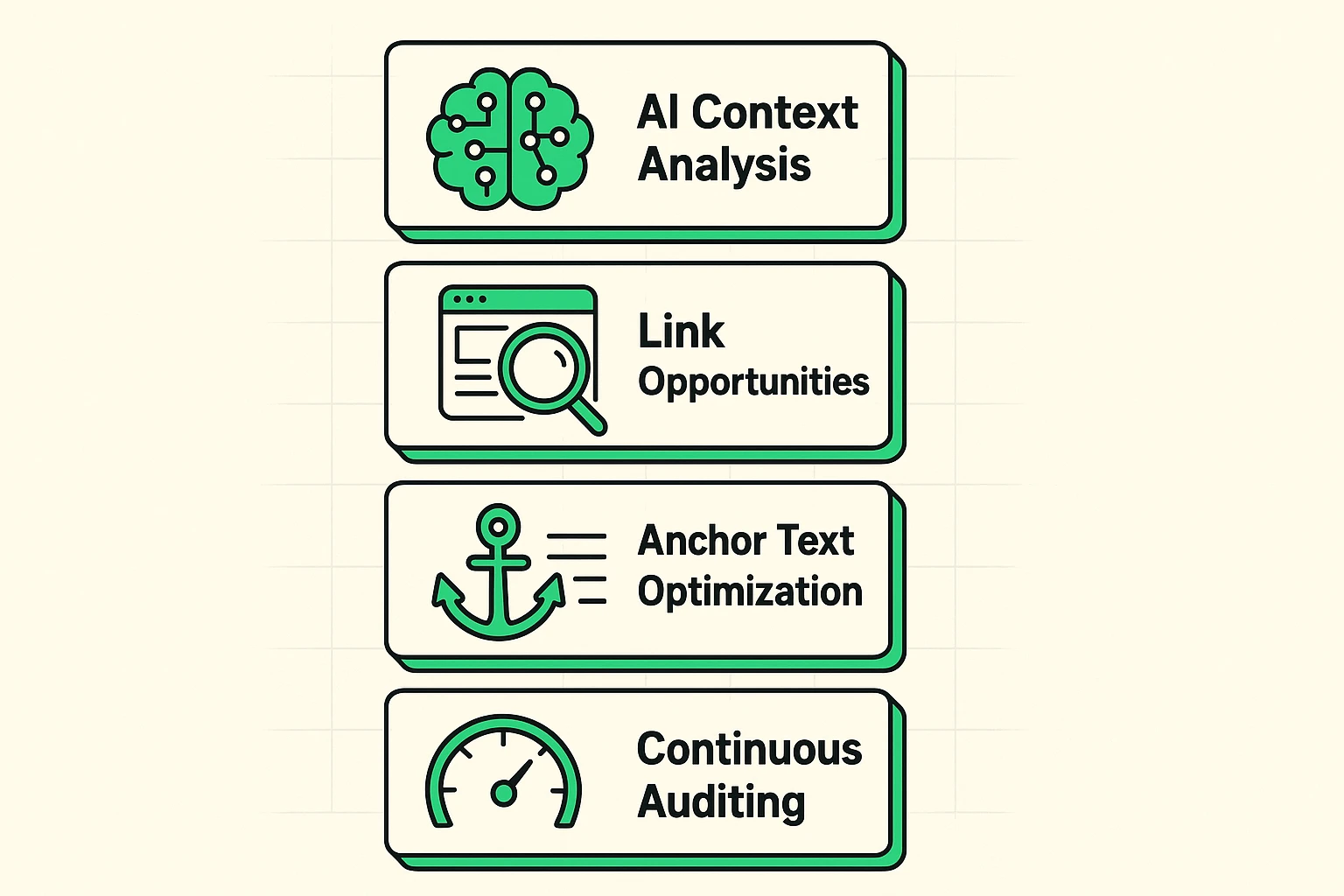
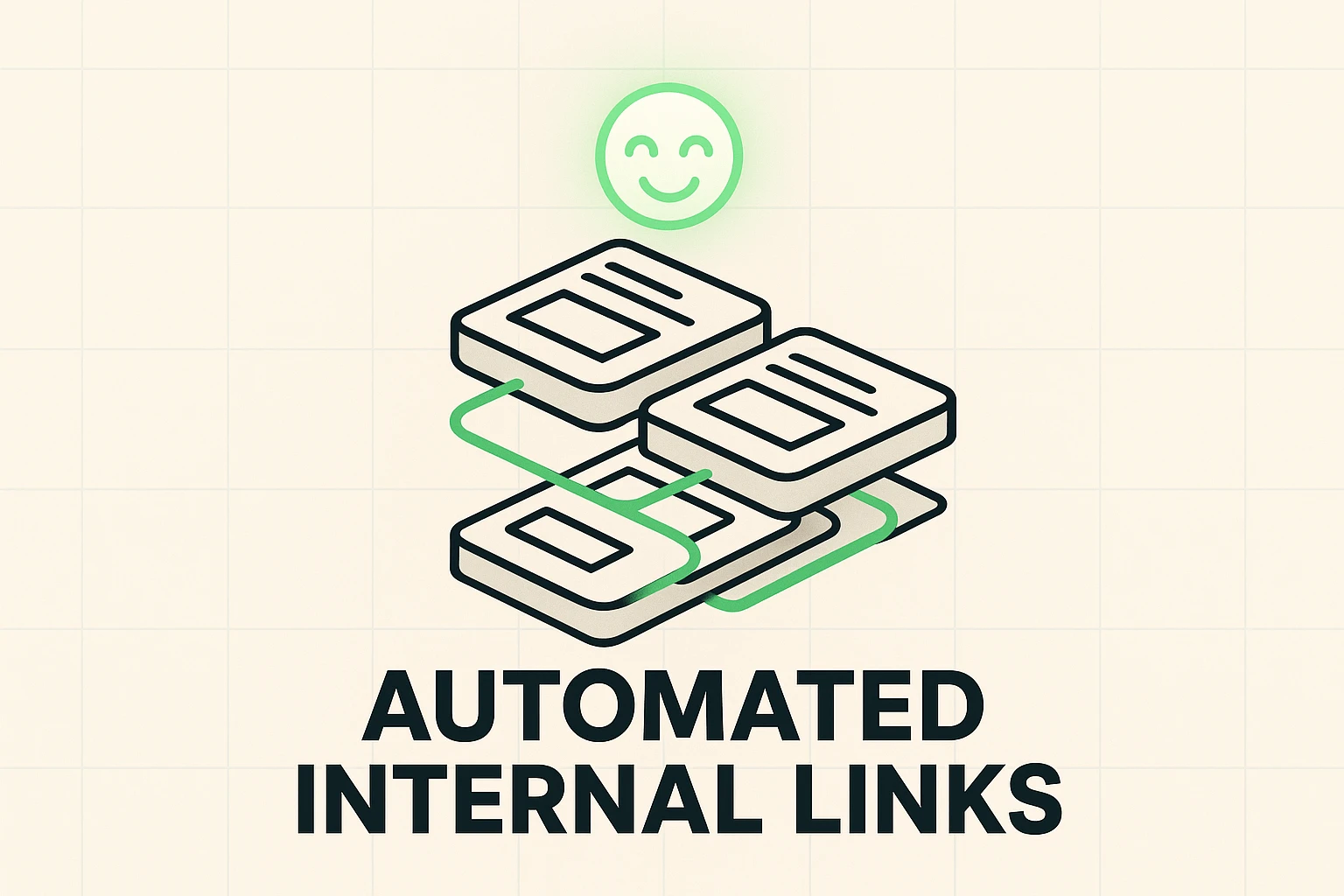
Caption: This visual explains the core automated internal linking workflow, illustrating how AI identifies link opportunities, optimizes anchor texts, and audits link performance continuously.
The Strategic Pillars of Automated Internal Linking
Implementing an effective automated internal linking strategy involves several fundamental components that work in concert to optimize a website's internal architecture. These components ensure that automation provides tangible SEO benefits while maintaining contextual relevance.
How Do Automated Internal Linking Strategies Work?
Automated internal linking strategies work by systematically analyzing website content and structure to identify optimal linking opportunities, apply appropriate anchor texts, and manage link equity. This process typically involves these four steps:
- Content Analysis: AI algorithms scan all web pages, understanding topics, entities, and semantic relationships using natural language processing (NLP).
- Opportunity Identification: The system identifies relevant pages that can be linked, prioritizing those with high authority or those that are currently "orphaned" or poorly linked.
- Link Generation and Placement: Based on contextual analysis, the system suggests or automatically inserts internal links with optimized anchor text, ensuring relevance and diversity.
- Continuous Monitoring and Optimization: The system constantly audits existing links for health, performance, and relevance, dynamically adjusting or repairing broken links and adapting to content changes.This workflow ensures that link equity is distributed effectively across the site, boosting the authority of key pages.
What are the Core Components of an Effective Automated Internal Linking Strategy?
The top five core components of an effective automated internal linking strategy are:
- AI and Automation-Powered Link Identification and Placement: This enhances the ability to scan vast amounts of content and identify linking opportunities that manual processes often miss, improving efficiency and scalability (seoClarity).
- Anchor Text Optimization and Diverse Usage: Automated systems suggest optimal anchor text variations, including keyword-rich, phrase-match, and partial-match anchors, to avoid over-optimization and maintain contextual relevance. Verbolia recommends an anchor text distribution of approximately 60% phrase-match, 30% exact-match, and 10% partial-match for natural flow (Verbolia).
- Prioritization of Poorly Linked or Orphaned Pages: Automation helps identify pages that receive insufficient internal links, ensuring that valuable content is discoverable by both users and search engines.
- Focus on Improving Site Crawlability and PageRank Flow: Strategic internal linking guides search engine crawlers through the site's most important content, ensuring efficient indexation and equitable distribution of PageRank.
- Continuous Auditing and Performance Monitoring: Automated systems constantly check for broken links, analyze link performance, and adjust strategies in real-time, maintaining a healthy and effective link structure. SEMrush reports that over 42% of websites have broken internal links, highlighting the critical need for continuous auditing (SEMrush).

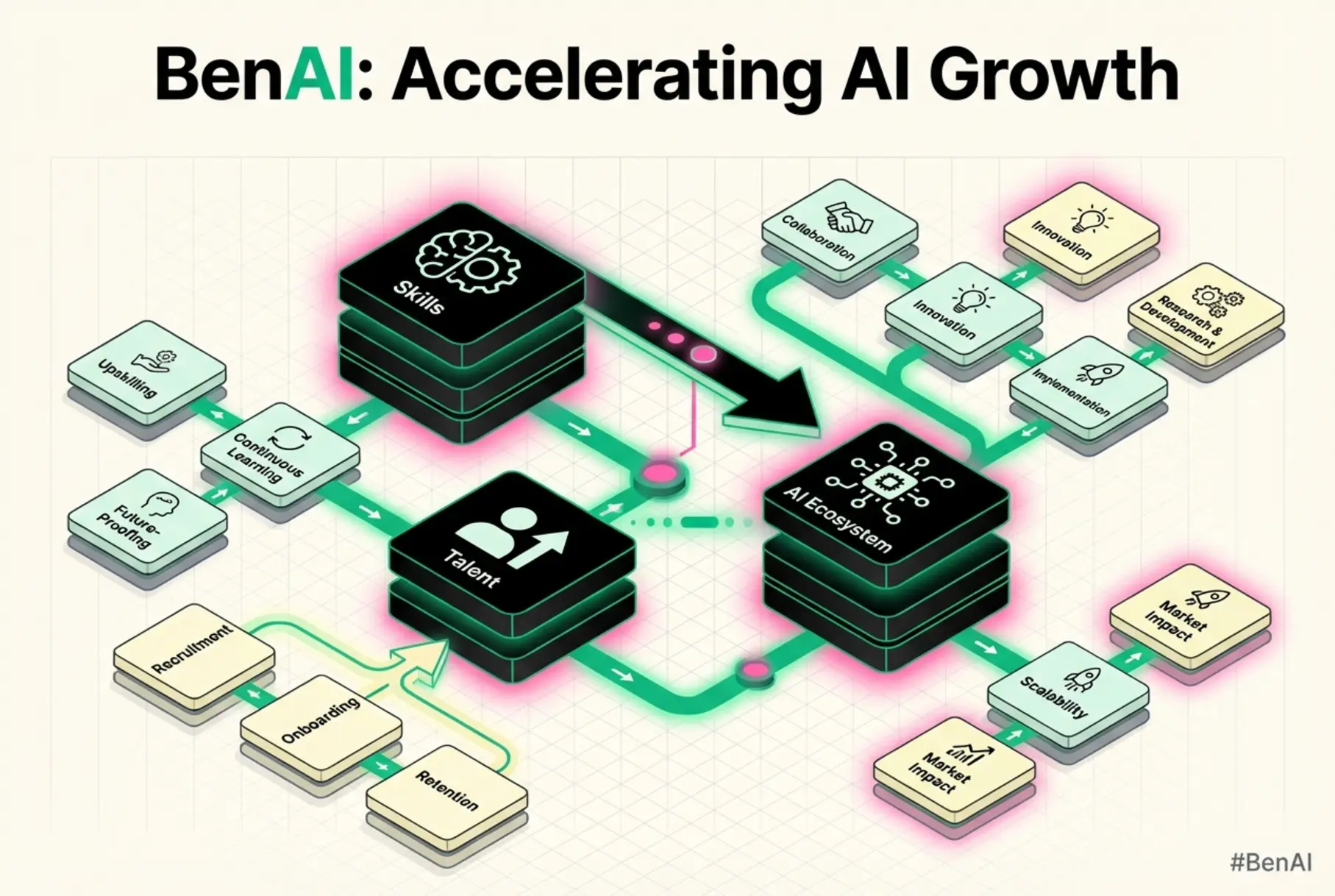
Caption: This concept visual maps fundamental components of effective internal linking strategies, facilitating user understanding of critical SEO factors.
Evaluating AI-Powered Internal Linking Tools
Decision-makers evaluating automated internal linking solutions require a comprehensive understanding of the leading tools, their specific capabilities, and how they contribute to overall SEO performance.
Which AI-Powered Internal Linking Tools are Leading the Market?
The top AI-powered internal linking tools leading the market offer a range of features, from basic automation to comprehensive, enterprise-grade link management. These tools include Verbolia, seoClarity, Search Atlas, and PageOptimizer Pro.
Verbolia
Verbolia specializes in contextual linking for large-scale e-commerce and classified ad sites. The tool offers API and JavaScript integration to deploy highly relevant internal links based on semantic analysis. It provides granular control over contextual anchor text assignments, allowing a balance between automation and specific editorial rules (Verbolia). A case study by Verbolia reports a typical organic traffic uplift of 5-10% with a robust automated internal linking strategy.
seoClarity
seoClarity provides an enterprise-grade, front-to-end link optimization platform leveraging AI and NLP for full lifecycle link management. Its system identifies linking opportunities, repairs broken links, and measures performance in real-time. seoClarity's solution emphasizes comprehensive control and actionable insights for complex site architectures (seoClarity).
Search Atlas
Search Atlas focuses on software-assisted automation, integrating technical toolkits within its OTTO SEO ecosystem. This platform offers automated fixes, backlink exchange functionalities, and topical map creation for strategic link planning (Search Atlas). Its strength lies in a holistic approach to SEO, where internal linking is part of a broader optimization suite.
PageOptimizer Pro
PageOptimizer Pro highlights AI tools that emphasize latent semantic indexing (LSI) and competitor keyword analysis for internal linking. The tool helps identify semantically related content, ensuring highly relevant link placement that aligns with user intent (PageOptimizer Pro). It focuses on deeper semantic analysis to enhance topical authority.
Other Notable Tools
Other tools like Link Whisper offer WordPress-specific automated internal linking, focusing on ease of use for content creators. Ahrefs and SEMrush also provide internal link auditing features, though their primary focus is broader SEO analysis rather than direct link automation. KlientBoost emphasizes strategic internal linking best practices from a user experience and conversion rate optimization (CRO) perspective, offering valuable insights into manual strategy which can inform automated implementations (KlientBoost).
How Do Automated Tools Enhance Anchor Text Optimization?
Automated tools enhance anchor text optimization by leveraging AI to analyze content semantics and identify the most contextually relevant and diverse anchor texts for internal links. These tools move beyond simple keyword matching, considering surrounding text and topic clusters to suggest variations that appear natural and avoid over-optimization penalties. They achieve this through these three mechanisms:
- Semantic Contextualization: AI models understand the nuances of content, ensuring anchor text accurately reflects the linked page's topic.
- Diversity Management: Tools recommend a mix of exact match, phrase match, and partial match anchors, preventing repetitive linking patterns.
- Real-time Analysis: Continuous monitoring allows tools to adapt anchor text strategies based on performance data, optimizing for both relevance and click-through rates.This automation reduces manual effort while improving the quality and effectiveness of anchor text distribution.
Balancing Automation with Human Oversight
The optimal approach to internal linking often involves a strategic balance between AI-driven automation and expert human editorial control. Decision-makers must weigh the efficiency of automation against the nuanced understanding provided by human SEO professionals.
Is Full Internal Link Automation Advisable, or is Human Oversight Necessary?
Full internal link automation is not advisable without strategic human oversight. Human oversight is necessary to ensure contextual nuance, prevent over-optimization, and align automated suggestions with broader SEO strategies. While automation enhances efficiency, human reviewers contribute these three critical elements:
- Contextual Nuance: Humans can discern subtle semantic relationships and user intent that even advanced AI might miss, ensuring links are truly valuable to the user journey.
- Strategic Alignment: SEO professionals can guide automation to prioritize links based on business goals, new content launches, or specific campaign objectives.
- Risk Mitigation: Over-reliance on automation without review can lead to unintended consequences such as unnatural link patterns, dilute link equity to low-value pages, or inadvertently create spammy internal links.Expert supervision ensures that automated processes support, rather than undermine, overall SEO health.
How Does Contextual Relevance Impact Automated Internal Linking?
Contextual relevance impacts automated internal linking by ensuring that every generated link serves a clear purpose for both users and search engines, thereby maximizing its SEO value. An internal link is most effective when the anchor text and the surrounding content strongly relate to the linked page's content, guiding users to more information and signaling topical authority to search engines. Without strong contextual relevance, links can dilute PageRank, confuse search engine crawlers, and offer little value to users, increasing bounce rates. Automated tools leverage advanced NLP to analyze semantic relationships, identifying opportunities to create highly relevant connections that human reviewers then validate for ultimate accuracy.
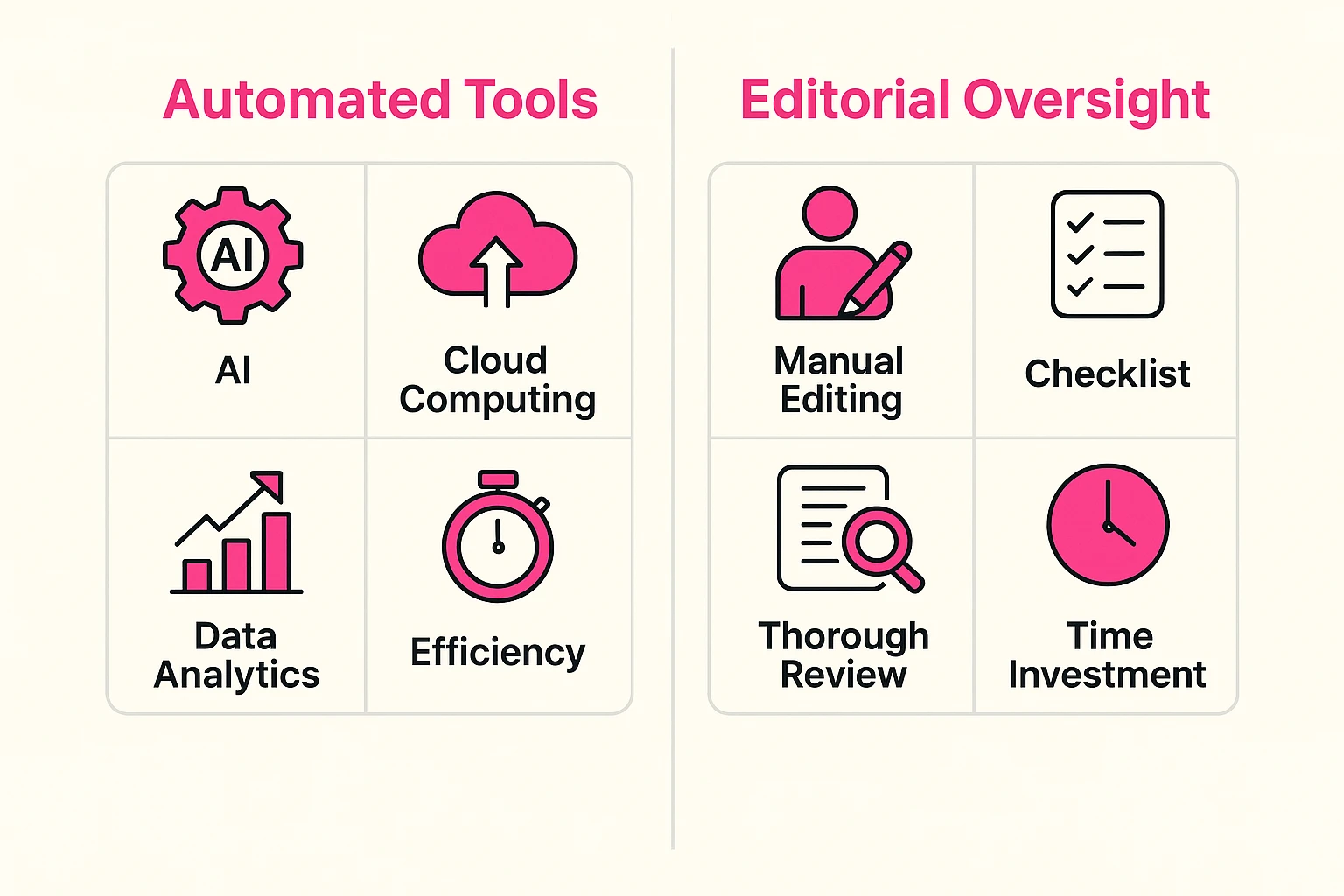
Caption: This grid compares automated linking tools and manual editorial practices, clarifying benefits and challenges of each approach for SEO professionals.
Practical Implementation and Best Practices for Automated Internal Linking
Successfully implementing automated internal linking requires a structured approach and adherence to best practices to maximize benefits and mitigate potential risks. Decision-makers should consider the strategic workflows and common pitfalls.
What are the Essential Steps for Implementing Automated Internal Linking?
To implement automated internal linking effectively, follow these six essential steps:
- Audit Current Internal Link Structure: Begin by analyzing existing internal links to identify orphan pages, broken links, and areas of weak link equity distribution. Use tools like Ahrefs or SEMrush for comprehensive site audits.
- Define Linking Strategy and Goals: Clearly outline what specific pages or topic clusters need more authority, what content should be prioritized, and the desired anchor text diversification strategy.
- Select an AI-Powered Internal Linking Tool: Choose a tool that aligns with your website's size, content volume, technical capabilities, and budget. Evaluate features such as contextual analysis, anchor text optimization, and reporting.
- Configure Tool Settings and Rules: Set up the automation rules, including specific parameters for anchor text usage, link limits per page, and content relevancy thresholds. Integrate the tool via API or JavaScript tagging for seamless operation (Verbolia).
- Implement with Phased Rollout and Monitoring: Deploy automation gradually, starting with a subset of pages or content. Closely monitor immediate impacts on crawlability, indexation, and key page rankings.
- Regularly Review and Refine: Continuously review the automated links for relevance, quality, and performance. Human oversight should regularly validate automated suggestions and fine-tune rules based on analytical data.
How Can Websites Avoid Common Pitfalls in Internal Linking Automation?
Websites can avoid common pitfalls in internal linking automation by maintaining a balanced approach between technology and human intelligence, focusing on quality, and performing regular audits. These five strategies help mitigate risks:
- Avoid Over-Automation: Do not allow the system to create excessive or irrelevant links purely for quantity. Prioritize quality and contextual relevance over sheer volume.
- Diversify Anchor Text: Ensure the automation tool is configured to use a wide variety of anchor texts (exact match, phrase match, partial match) to prevent over-optimization and maintain a natural linking profile.
- Prevent Orphan Pages: Actively use automation to identify and link to pages that receive minimal internal links, ensuring all valuable content is connected within the site architecture.
- Monitor for Broken Links: While automation can create links, it must also continuously audit and report broken links. Implement automated checks for 404 errors that can damage user experience and SEO.
- Integrate with Human Oversight: Regularly review automatically generated links. Human SEO specialists can catch nuances that AI might miss, especially regarding brand voice, strategic priorities, or highly sensitive content.
How to Integrate User Engagement Data into Automated Internal Linking?
Integrating user engagement data into automated internal linking strategies enhances link relevance and performance by prioritizing paths that users actually navigate and find valuable. This process involves these three key steps:
- Collect User Behavior Metrics: Gather data from analytics platforms (e.g., Google Analytics) on metrics like click-through rates (CTR) on existing internal links, time on page, bounce rate, and user flow paths.
- Identify High-Performing Content and Paths: Analyze engagement data to identify which internal links drive significant user interaction and which content pieces consistently lead to deeper engagement. This understanding can be enhanced by using AI-powered content gap analysis to see what users are looking for.
- Feed Data into Automation Rules: Configure your automated internal linking tool to prioritize linking to content identified as highly engaging. For example, instruct the system to suggest more links pointing to a product page that has a high conversion rate or a blog post with a long average time on page.This integration ensures that automated links not only serve SEO but also facilitate a more intuitive and engaging user journey.
Measuring ROI and Future Trends
Decision-makers need to understand how automated internal linking translates into measurable business outcomes and what innovations are on the horizon.
How Do Automated Internal Linking Strategies Deliver Measurable ROI?
Automated internal linking strategies deliver measurable ROI by enhancing critical SEO metrics that directly impact organic traffic, conversions, and operational efficiency. The mechanisms for this ROI include these four points:
- Increased Organic Traffic: Improved crawlability and PageRank distribution lead to higher rankings for key pages, resulting in a typical organic traffic uplift of 5-10% according to Verbolia case studies (Verbolia).
- Enhanced User Experience: Strategically placed, relevant internal links guide users through the site, reducing bounce rates and increasing time on site, which positively impacts user engagement signals for search engines.
- Reduced Manual Labor Costs: Automation significantly decreases the time and resources required for manual internal link building and auditing, allowing SEO teams to focus on higher-value strategic tasks.
- Faster Content Indexation: New content is discovered and indexed more quickly by search engines when immediately integrated into a robust internal link structure, accelerating its potential to rank.These combined benefits demonstrate a strong return on investment for adopting automated internal linking solutions.
What are the Future Trends in Internal Linking Automation?
The future trends in internal linking automation emphasize deeper AI integration, real-time adaptability, and more nuanced control, transforming how websites manage their internal architecture. These three trends define the evolving landscape:
- Advanced Semantic Understanding: Future tools will leverage even more sophisticated NLP to understand the contextual and conceptual relationships between content pieces, enabling highly precise and relevant link suggestions beyond simple keyword matching (Mike Khorev).
- Real-time Dynamic Linking: Systems will dynamically update internal links based on user behavior, content changes, and real-time SEO performance metrics, ensuring links are always optimized for current conditions without manual intervention.
- Enhanced Integration with Topical Authority Models: Automated solutions will increasingly integrate with topical maps and entity relationship graphs, allowing for a more structured and authoritative internal linking strategy that reflects comprehensive topic coverage.These trends point towards a future where internal linking becomes a fully dynamic, intelligent, and self-optimizing component of a website's SEO strategy.
Conclusion
Automated internal linking strategies offer a transformative approach to SEO, providing scalability, efficiency, and enhanced performance that manual methods cannot match. By leveraging AI and advanced algorithms, these strategies optimize site architecture, improve crawlability, and strategically distribute link equity, resulting in measurable increases in organic traffic and user engagement. While the power of automation is undeniable, the most successful implementations integrate intelligent tools with expert human oversight to maintain contextual relevance and align with broader SEO objectives. For ongoing insights into advanced SEO strategies and AI-driven content solutions, visit BenAI's blog.
Frequently Asked Questions
Q: Can Automated Internal Linking Tools Cause Over-optimization?
Yes. Automated internal linking tools can cause over-optimization if not properly configured and monitored, primarily through repetitive anchor text usage or linking to irrelevant pages. Strategic human oversight and diversified anchor text settings are essential to mitigate this risk.
Q: How Does Automated Internal Linking Impact Google's Core Web Vitals?
Automated internal linking indirectly impacts Google's Core Web Vitals by improving site navigation and crawlability, which can lead to better page load times if irrelevant links are minimized. While not a direct factor, a well-structured internal link profile enhances user experience, a core component of Web Vitals.
Q: Is Automated Internal Linking Only for Large Websites?
No. Automated internal linking is beneficial for websites of all sizes, though larger content-heavy sites often experience more significant gains due to the scale of their linking challenges. Smaller sites can also benefit from automation to maintain consistency and ensure comprehensive linking as they grow.
Q: What is the Difference Between Automated and Manual Internal Linking?
Automated internal linking uses AI algorithms to identify and implement links dynamically and at scale, while manual internal linking involves human SEO professionals identifying and adding links one by one. Automation offers speed and consistency, while manual linking provides granular control and deep contextual understanding.
Join Our Growing AI Business Community
Get access to our AI Automations templates, 1:1 Tech support, 1:1 Solution Engineers, Step-by-step breakdowns and a community of forward-thinking business owners.
Latest Blogs
Explore our latest blog posts and insights.